
Morocco Photography: A Complete Guide to Capturing the Beauty of Morocco
Morocco is one of the most inspiring destinations in the world for photographers. It is a country of color, contrast, texture, light, and emotion. From the lively streets of Marrakech to the silent dunes of the Sahara, from the blue-painted alleyways of Chefchaouen to the dramatic peaks of the Atlas Mountains, every region offers something visually unique. For travelers who love photography, Morocco is not simply a place to visit. It is a place to observe, slow down, and capture moments that feel timeless.
Whether you are a professional photographer, a content creator, or simply someone traveling with a camera or smartphone, Morocco gives you endless opportunities to create unforgettable images. The country combines human stories, natural beauty, traditional architecture, and shifting light in a way that feels almost cinematic. On the same day, you can photograph ancient kasbahs, busy local markets, peaceful palm groves, mountain villages, and golden desert landscapes. This incredible variety is what makes Moroccan photography so special.
In this complete guide, you will discover why Morocco is such a rewarding destination for photography, the best places to photograph, the ideal seasons to visit, practical photography tips, and how to enjoy a smooth and authentic photography journey. If you are planning a trip and want to understand what makes Morocco such a dream destination for photographers, this article will help you prepare and get inspired.
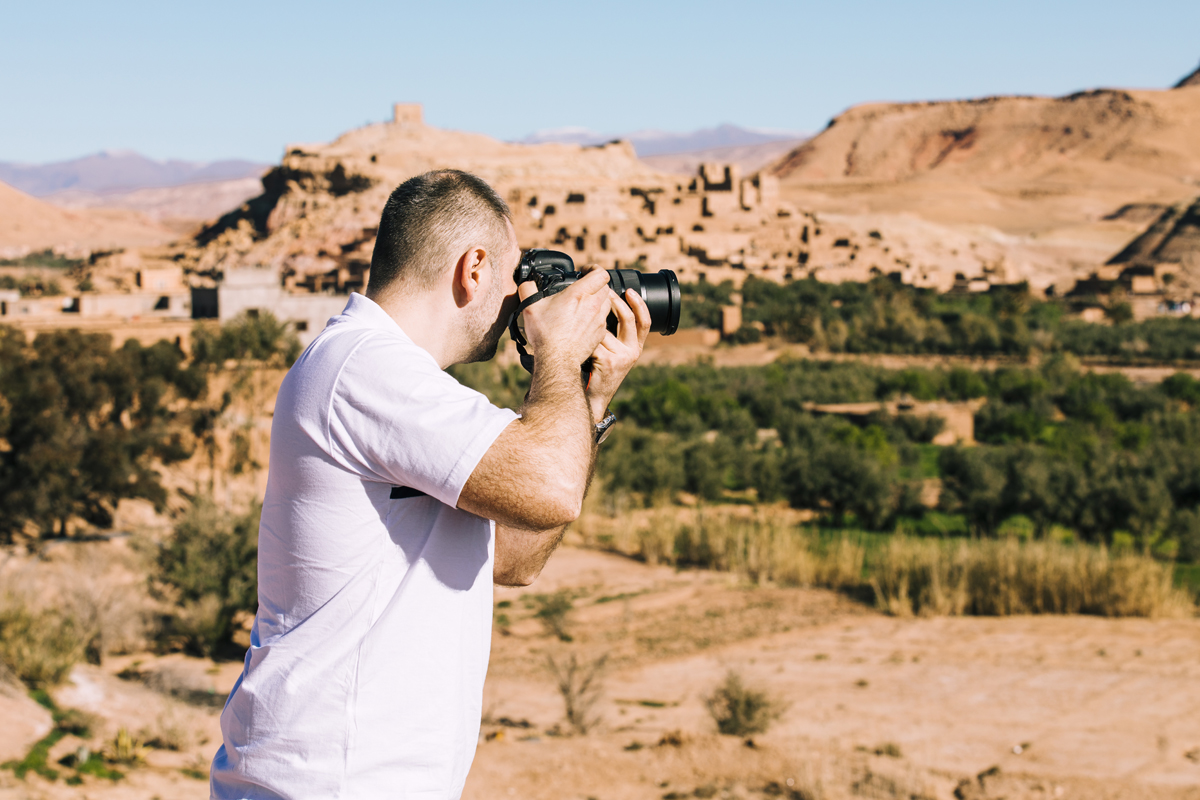
Why Morocco Is a Photographer’s Dream Destination
One of the main reasons photographers fall in love with Morocco is the visual diversity of the country. In a relatively short distance, the scenery changes completely. You can move from vibrant imperial cities to mountain landscapes, then continue toward green valleys and eventually reach the vast Sahara. This means your photography trip can include street photography, portrait photography, landscape photography, architecture photography, and even night photography, all in one journey.
Morocco is also known for its beautiful natural light. Early in the morning and late in the afternoon, the warm tones create a soft golden atmosphere that enhances almost everything you photograph. The earthy walls of old medinas glow beautifully, desert dunes become sculptural, and mountain landscapes gain depth and contrast. The light in Morocco changes the mood of every scene and gives photographs a warm, artistic character that is difficult to find elsewhere.
Another reason Morocco stands out is its strong sense of identity. Traditional architecture, local craftsmanship, handmade textiles, ceramic details, spices, lanterns, carved doors, and daily life in the souks all create rich visual material. Even simple scenes feel interesting because the textures and colors are so expressive. Morocco is a country where photography is not just about grand landscapes. It is equally about small details, atmosphere, and authentic human moments.
For portrait photographers and documentary-style travelers, Morocco offers powerful storytelling opportunities. Local life remains deeply connected to tradition in many parts of the country. Artisan workshops, nomadic culture, tea rituals, village life, and market scenes can all be photographed in a respectful and meaningful way. The key is always to approach with sensitivity, kindness, and patience. When done properly, photography in Morocco becomes not only visually rewarding but also emotionally rich.
Best Places for Morocco Photography
1. Marrakech: Street Life, Markets, and Color
Marrakech is often the first city that comes to mind when people think about Moroccan photography, and for good reason. The city is intense, colorful, dynamic, and full of visual energy. In the old medina, every corner presents a new composition. You can photograph narrow alleys, orange and pink walls, craftsmen at work, vibrant spice stalls, woven baskets, antique doors, and rooftop views over the city. Marrakech is a perfect destination for photographers who enjoy texture, movement, and everyday life.
Jemaa el-Fna square is one of the most famous photography spots in the city, especially in the late afternoon and evening when the atmosphere becomes lively and dramatic. Smoke rises from food stalls, lanterns begin to glow, and the square transforms into a scene full of movement and emotion. For quieter moments, explore early in the morning when the medina is calmer and the light is softer. Riads, hidden courtyards, and rooftop terraces also offer elegant photo opportunities for those interested in architecture and travel lifestyle content.
2. Chefchaouen: The Blue Pearl of Morocco
Chefchaouen is famous around the world for its blue-painted streets, walls, and staircases. It is one of the most photogenic towns in Morocco and a favorite for portrait photographers, travel bloggers, and anyone who appreciates strong color harmony. The charm of Chefchaouen comes not only from the color blue but also from the peaceful atmosphere of the town. The light is gentle, the streets are inviting, and the setting in the Rif Mountains adds to its beauty.
Photography in Chefchaouen works best in the early morning, when the streets are quieter and the town feels more intimate. You can focus on clean compositions, architectural details, cats resting on staircases, potted plants, and subtle contrasts between blue walls and colorful doors. Chefchaouen is ideal for photographers who enjoy simple but striking scenes. It is less about chaos and more about mood, form, and visual calm.
3. Sahara Desert: Light, Silence, and Epic Landscapes
No Morocco photography trip feels complete without a visit to the Sahara Desert. The dunes near Merzouga are among the most iconic photography locations in the country. Here, the landscape is pure and powerful. Wind shapes the sand into elegant curves, footprints create temporary stories, and the changing light transforms the desert every hour. Sunrise and sunset are the best moments for photography because the shadows add depth and the color of the sand becomes rich and golden.
The desert is also perfect for silhouette photography. Camel caravans moving along the dunes create timeless and memorable images, especially at sunset. At night, the Sahara offers excellent conditions for astrophotography when the sky is clear. The silence of the desert, combined with the stars above, creates an atmosphere that feels almost unreal. Photographers who appreciate minimalism, space, and natural light will find the Sahara deeply inspiring.
4. Ait Ben Haddou: Timeless Architecture and Earth Tones
Ait Ben Haddou is one of the most remarkable architectural sites in Morocco. This fortified village, built from earth and clay, looks like it belongs to another era. It has been used as a filming location for many international productions, but beyond its cinematic appeal, it is simply an extraordinary place for photography. The geometry of the kasbah, the texture of the walls, and the surrounding landscape create a beautiful visual balance.
Sunset is usually the best time to photograph Ait Ben Haddou because the warm light enhances the red and golden tones of the mud-brick architecture. From a distance, the entire site looks majestic against the sky. Up close, you can focus on doors, towers, stairways, and small details that reveal the character of traditional southern Moroccan architecture. This location is ideal for travel photography, heritage photography, and architectural storytelling.
5. The Atlas Mountains: Villages, Valleys, and Dramatic Views
The Atlas Mountains offer a very different side of Morocco. Here, photography becomes quieter, more expansive, and deeply connected to nature and rural life. The landscapes are varied and dramatic, with mountain passes, terraced fields, walnut trees, traditional Berber villages, and winding roads opening onto spectacular viewpoints. This region is excellent for photographers who love landscape photography but also want to capture human presence within the landscape.
In the High Atlas, the changing seasons make a real difference. Spring brings green valleys and flowers, autumn offers warm tones and clear light, and winter can add snow to the mountain peaks. Villages in the Atlas often blend naturally into the landscape, with homes made from local materials that harmonize beautifully with the surroundings. The visual result is subtle, authentic, and full of atmosphere.
6. Fes: Tradition, Craftsmanship, and Detail
Fes is one of the most rewarding cities in Morocco for photographers who appreciate heritage, detail, and authenticity. The medina of Fes is one of the oldest and most fascinating in the world. It is a place where narrow alleys, ancient madrasas, carved wood, mosaic tilework, and artisan workshops create endless inspiration. Fes is especially well-suited to photographers who enjoy observing the details that tell a story.
The famous tanneries, though often photographed, are only one part of the city’s visual appeal. Beyond them, there are countless opportunities to capture pottery, brasswork, woven fabrics, doorways, and old architectural elements. Fes is less polished than some other destinations, which is exactly what makes it so powerful. It feels lived in, layered, and deeply rooted in history.
7. Essaouira: Coastal Mood and Soft Light
For photographers who love ocean views, atmospheric streets, and a more relaxed rhythm, Essaouira is an excellent stop. This coastal town offers white walls, blue boats, historic ramparts, seagulls, fishing scenes, and windswept beaches. The visual style of Essaouira is softer and calmer than that of Marrakech, making it ideal for lifestyle photography, street scenes, and travel storytelling.
The port is one of the most photogenic areas, especially in the morning when fishermen return with their catch, and the blue boats line up beautifully in the harbor. The medina is also full of charm, with art galleries, textured walls, and elegant doors. Essaouira works particularly well for photographers who enjoy subtle color palettes and natural atmosphere.
Best Time for Photography in Morocco
Morocco can be photographed year-round, but the best seasons are generally spring and autumn. From March to May, the weather is pleasant in most regions, the landscapes are fresh, and the light is beautiful. This is a wonderful time for mountain and valley photography, especially when flowers and greenery bring extra life to the scene. From September to November, temperatures become comfortable again after summer, and the atmosphere is excellent for both city and desert photography.
Summer can still be rewarding, especially for coastal areas and certain cities, but the heat can be intense in the south and in the desert. If you travel in summer, it is best to photograph very early in the morning and later in the evening. Winter brings another kind of beauty, with crisp light, occasional snow in the mountains, and fewer tourists in some areas. Every season offers something different, but for comfort and flexibility, spring and autumn remain the most popular choices.
Practical Tips for Taking Great Photos in Morocco
One of the most important aspects of photography in Morocco is respect. Some people are comfortable being photographed, while others prefer privacy. Always ask when possible, especially for portraits. A smile, a greeting, and a respectful attitude can make a big difference. Responsible photography helps create meaningful connections and leads to more authentic experiences.
It is also wise to travel with flexible gear rather than carrying too much. A light setup is often better in medinas, markets, and on longer routes. A versatile zoom lens, a wide-angle lens for landscapes and architecture, and perhaps a small prime lens for portraits can be more than enough. If you are photographing in the desert, remember that sand and dust require extra care. Bring lens cloths, protective bags, and avoid changing lenses in windy conditions when possible.
Timing matters a lot in Morocco. Early morning is often the best time for city photography because the streets are quieter and the light is softer. Late afternoon and sunset are ideal for landscapes, kasbahs, and desert scenes. Midday light can be harsh, but it can still work for interiors, detailed market shots, or black-and-white photography where strong contrast becomes part of the style.
Another useful tip is to look beyond the obvious. Morocco is famous for iconic images, but some of the most memorable photographs come from slower observation. A hand weaving a carpet, light passing through an old doorway, tea being poured, shadows on a quiet wall, or children playing in a village street can be just as powerful as a major landmark. The strongest travel photography often comes from attention, patience, and emotion rather than simply visiting famous places.
Why a Private Photography Tour in Morocco Makes a Difference
For travelers who are serious about photography, a private tour can make a huge difference. Photography often requires flexibility. You may want to stop unexpectedly for a beautiful view, wait for the right light, revisit a location at sunrise, or spend longer in one place than originally planned. A private journey gives you the freedom to adapt the trip to your creative rhythm.
A customized photography tour in Morocco can also include carefully chosen routes and places that are especially rewarding for photographers. Instead of rushing through a standard itinerary, you can focus on regions that match your interests, whether that means street scenes in imperial cities, dramatic landscapes in the south, blue architecture in Chefchaouen, or star photography in the desert. This kind of travel feels more personal, more comfortable, and more productive for creative work.
Local knowledge is another major advantage. A good local team understands where to find the best viewpoints, when to visit certain places, and how to avoid the busiest times. They can also help you discover hidden corners and authentic experiences that are harder to find independently. This not only improves your photography but also enriches the whole travel experience.
Conclusion
Morocco is a destination that offers much more than beautiful scenery. It is a country of stories, atmosphere, and emotion. Every region has its own identity, and every journey can feel visually rich in a different way. From the vivid energy of Marrakech to the silence of the Sahara, from the blue poetry of Chefchaouen to the timeless character of Ait Ben Haddou, Morocco gives photographers the chance to create images that feel both artistic and deeply human.
Whether you are building a professional portfolio, creating content for your brand, or simply photographing memories from a meaningful trip, Morocco is one of the best places to do it. The beauty of the country lies not only in what you see, but in how it makes you feel while you photograph it. That is why so many travelers leave Morocco with full memory cards and unforgettable impressions.
If you are planning a photography trip, Morocco deserves a place at the top of your list. With the right route, the right season, and enough time to truly experience each place, your journey can become far more than a holiday. It can become a visual adventure full of inspiration, discovery, and unforgettable images.
Frequently Asked Questions About Morocco Photography
Is Morocco good for beginner photographers?
Yes, Morocco is excellent for beginner photographers because the country offers strong colors, interesting streets, beautiful landscapes, and natural light that makes photography enjoyable even with simple equipment.
Can I take good photos in Morocco with a smartphone?
Absolutely. A smartphone can capture beautiful photos in Morocco, especially in good natural light. Cities, architecture, desert views, and coastal scenes all work well with mobile photography.
What are the best months for a Morocco photography trip?
Spring and autumn are usually the best months because the weather is comfortable and the light is excellent for both city and landscape photography.
Is the Sahara worth it for photographers?
Yes, the Sahara is one of the most rewarding places for photography in Morocco. The dunes, the sunrise and sunset light, camel silhouettes, and starry skies create unforgettable images.
Why choose a private Morocco photography tour?
A private tour allows you to travel at your own pace, stop for photos whenever needed, reach beautiful locations at the right time, and enjoy a more comfortable and personalized experience.